
Protecting your thermal scheme from FTS disaster
Mitigating through surveillance
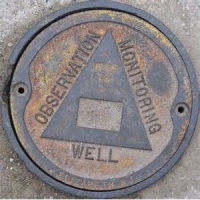 While every operator wants to produce oil to surface, no one wants to see flows to surface outside of a well bore. Flow to surface (FTS) in thermal schemes has attracted attention recently by the AER.
One operator proposed carefully increasing operating pressure in some areas of his thermal scheme. He proposed several mitigation strategies including surveillance wells. This use of observation wells is starting to grow in the industry. You can get his application documents within moments through our self-serve, secure checkout.
Get details of this cool tech Subscribers get them for free?subject=Help me get up to speed on thermal surveillance wells&body=Help me get up to speed on thermal surveillance wells. Show me different operator's opinions from their applications.%0D%0A%0D%0AMy Name:__________ %0D%0AMy Phone Number:__________ %0D%0A%0D%0A(Or call Proven Sales at 403-803-2500.)">Contact Proven for recent developments. We stay on top of thermal recovery strategies.
Field wide maximum operating pressure (MOP) regulations try to protect against such flows in thermal schemes. But some operators are also using surveillance methods to ensure that there is no breaches in caprock strata.
Rather than using observation wells to watch pressure in the exploited zone, operators are starting to watch conditions in uphole zones. In these zones they hope to see no change but they are monitoring them anyway. They hold this out as positive proof that there are no leaks in the caprock integrity.
Surveillance methods include monitoring pressure in the uphole zones. Some operators also measure temperature and seismic events in formations above the caprock.
If you were watching all thermal applications you would have seen this operator's application months ago. AppIntel offers area alerts -- you get new applications delivered to your inbox.
?subject=Let me try a few area alerts. Cheap and cheery.&body=Sign me up for a few area alerts from AppIntel so I can try them out.%0D%0A%0D%0AMy Name: __%0D%0AMy Phone Number: ___%0D%0A%0D%0ASend me email alerts centered around UWI __%0D%0AWithin this many miles __%0D%0AType of applications __%0D%0A%0D%0AFor pricing, see: https://www1.appintel.info/just-alerts/%0D%0A%0D%0A(Or call AppIntel Sales at 403 803 2500)">Contact us to find out how.
Tags: Thermal, Heavy Oil
 Granger Low 20 Sep 2016




Winning at Natural Gas STORAGE WAR$
The real prize in gas storage comes back with the gas

Focus on bitcoin
Bitcoin mining with stranded gas

Bored already? Back to thermal school!
New idea: Working steam up the over burden

Absent salt cavern education?
Things you didn't learn in school about salt caverns

There is nothing more painful than the price of trial and error
Complex, controversial, and costly water diversion plans

Very deliberate LPG – steam co-injection review
Find CSS solvent learnings before your competitors do
 Calgary, Alberta, Canada
 Share
Share