
New moving average voidage replacement strategy
Don't use it for mature floods
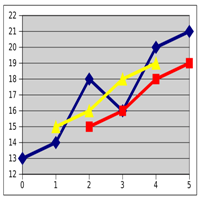 Faced with the inability to meet voidage replacement targets, this company received approval from the regulator to use a new voidage replacement strategy -- moving average VRR.
Rather than monitoring cumulative voidage replacement, this company is now required to watch the twelve month moving average. We found this information using AppIntel.
You can get this application immediately through our self-serve application portal.
Get details of this cool tech Subscribers get them for freeRegulation changes very frequently. Even when the written regulations don't change, the way the AER often changes their operating policy. Such is the case in this approval.
The only way to stay on top of regulatory changes is to read recent applications. Pay careful attention to the supplemental information requests (SIR).
?subject=Help me get up to speed on VRR trends&body=Help me get up to speed on VRR trends %0D%0A%0D%0AMy Name:__________ %0D%0AMy Phone Number:__________ %0D%0A%0D%0A(Or call Proven Sales at 403-803-2500.)">Contact Proven for support. We stay on top of flood strategies.
Don't use it for mature floods
This strategy allows the regulator much more leverage in very mature floods. Cumulative VRR doesn't change much if you have 40 years of injection history. So if the regulator can convince you to use rolling average VRR, they can enforce your VRR much more carefully.
Therefore we don't recommend this strategy for mature floods. But it's likely a fine strategy for new floods if just a little tougher to calculate.
Would you like to see what other operators in your areas are thinking about seismic, multifractured wells, polymer schemes and recovery? AppIntel can help.
Tags: Flood, Compliance
8 Jun 2016





Bug floods are in fashion
Adjusting nutrients to grow microbes faster

Selfie-mail: emails to myself
I send more emails to myself than to any other person.

Stop overspending. Start making more oil and gas with AppIntel AI.
Yesterday’s skills are not enough. Here’s why you are still behind.

The secret to getting more: Heavy oil, tight rock, thin pay
Polymer flooding is the right niche for this difficult play
 Calgary, Alberta, Canada
 Share
Share